
From May 13 to May 16, 2025, the 18th Biennial Conference " The Big Bang Theory: the Quality Assurance Paradigm Shift," jointly organized by the International Network for Quality Assurance Agencies in Higher Education (INQAAHE) and the Japan University Accreditation Association (JUAA), took place in Tokyo, Japan.
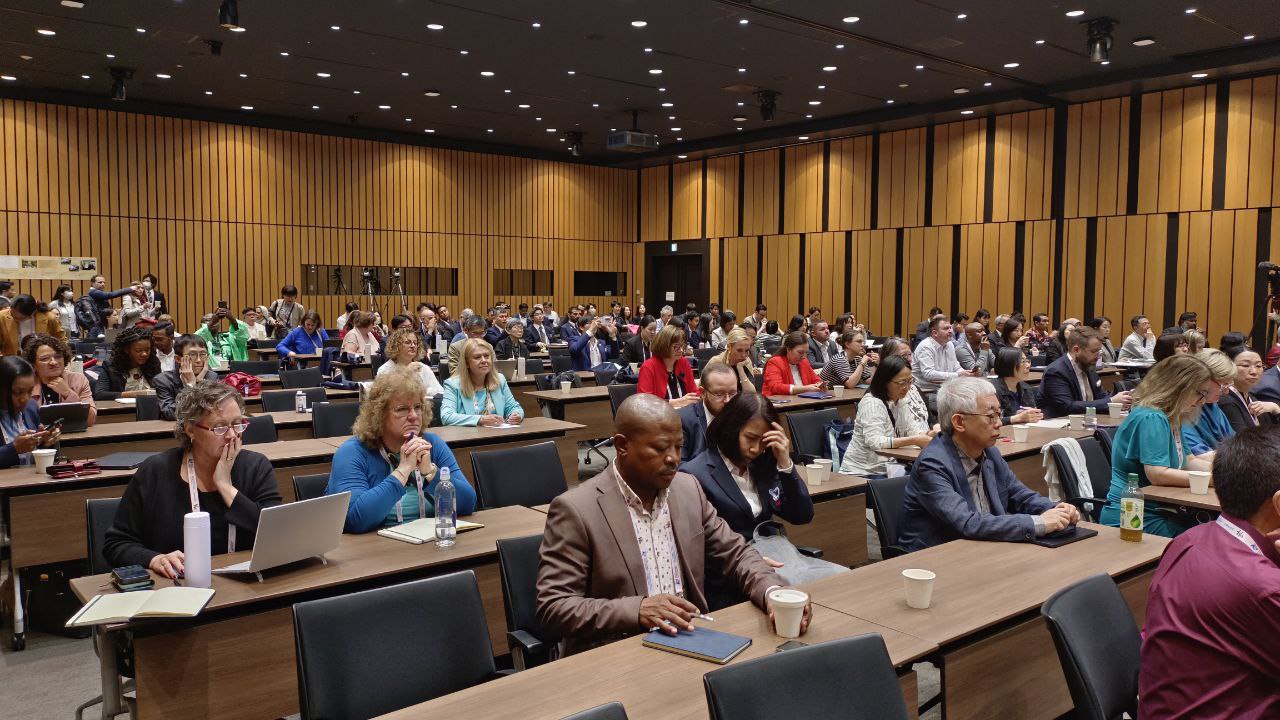
The conference brought together more than 400 participants from 115 countries. Discussions focused on four main themes:
- Quality Assurance and the Sustainable Development Agenda;
- Quality Assurance and Innovative Learning Pathways;
- Quality Assurance and Artificial Intelligence;
- Quality Assurance and the Recognition of Qualifications and Diplomas.
The National Centre for Public Accreditation, which has been a full member of the network since 2016, regularly participates in events organized by INQAAHE. On behalf of NCPA the conference was attended by Dr. Galina Motova, NCPA Director and APQN President, and Oksana Tanikova, Deputy Head of the Accreditation Department at NCPA.
On May 13, at a meeting of regional network representatives, Dr. Galina Motova, presented APQN’s areas of work to the participants and outlined its strategic development goals.
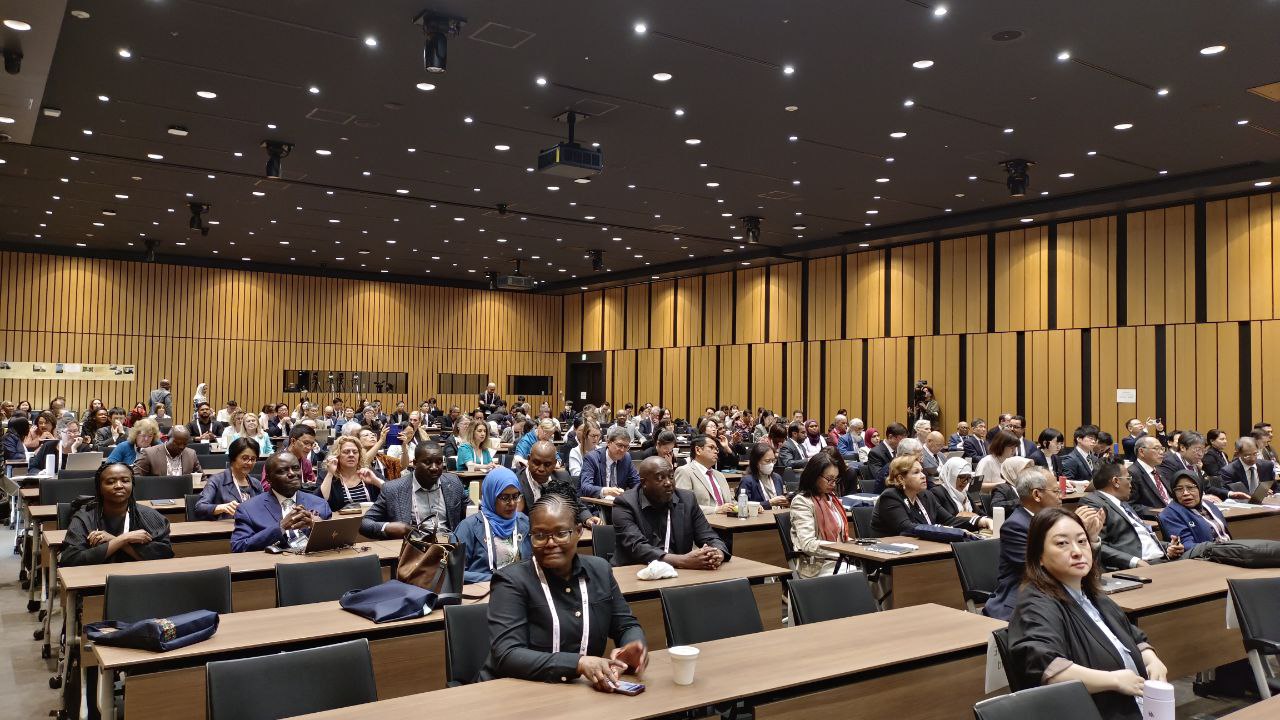
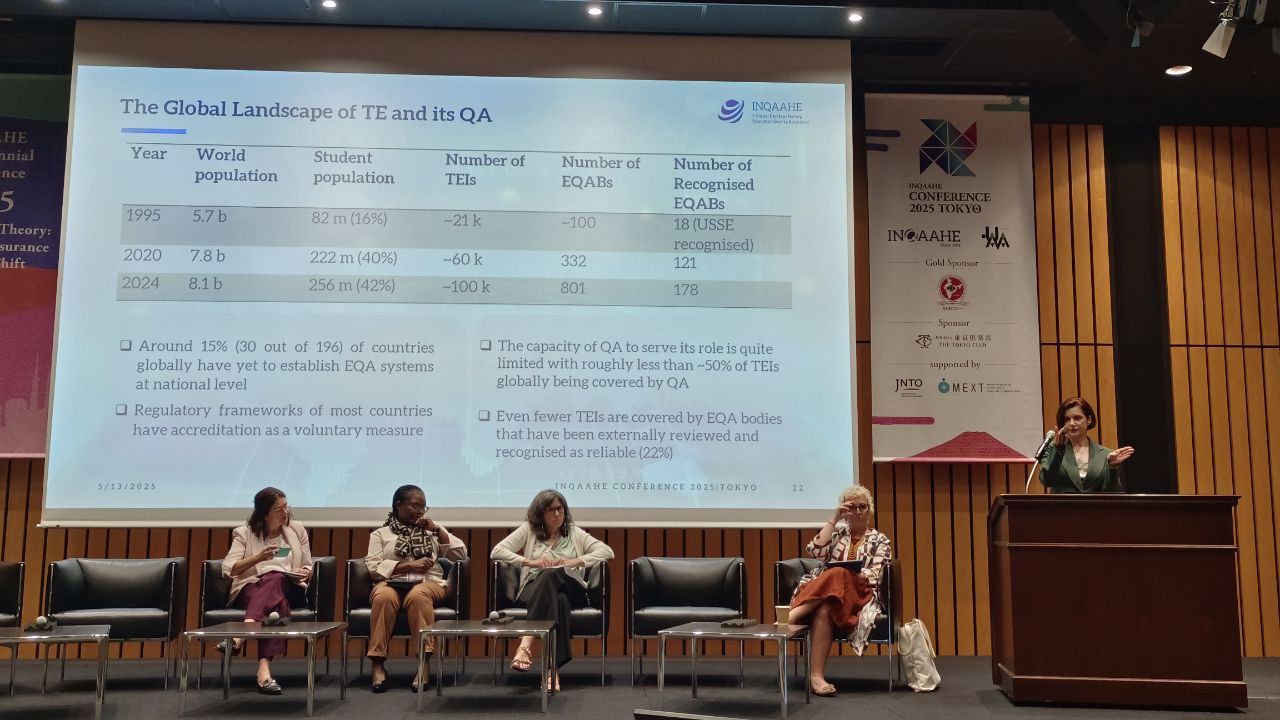
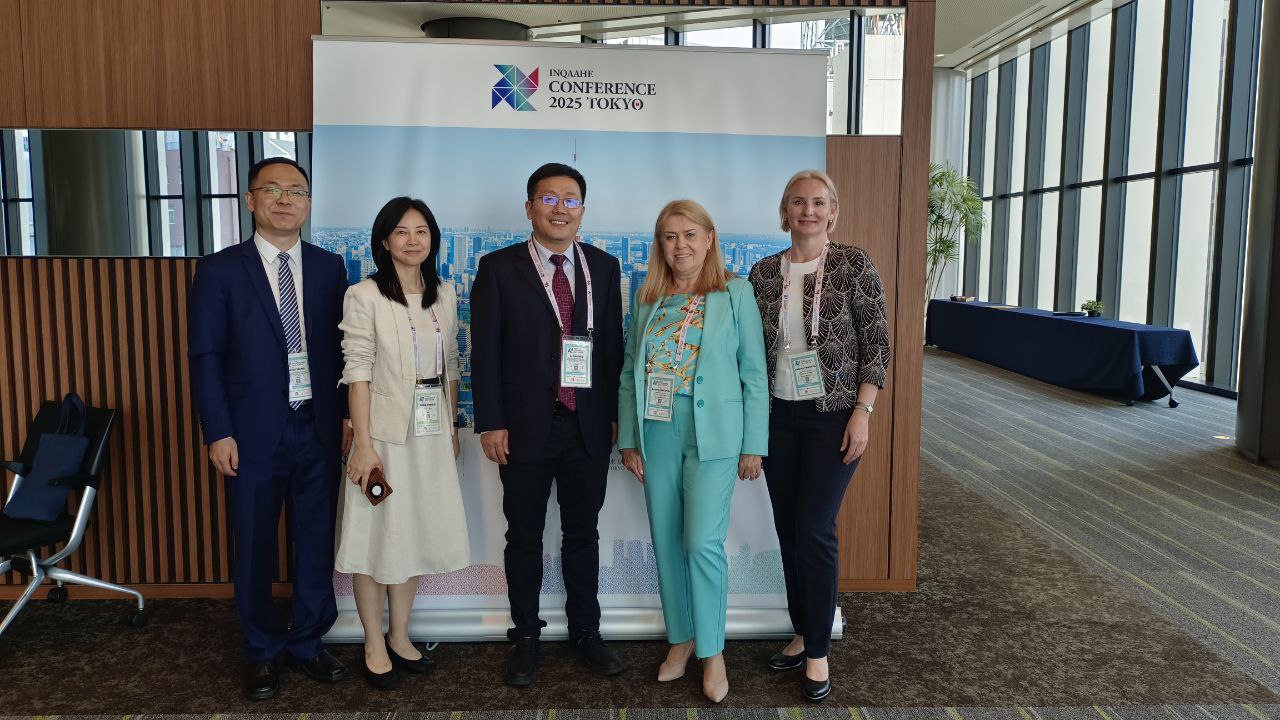

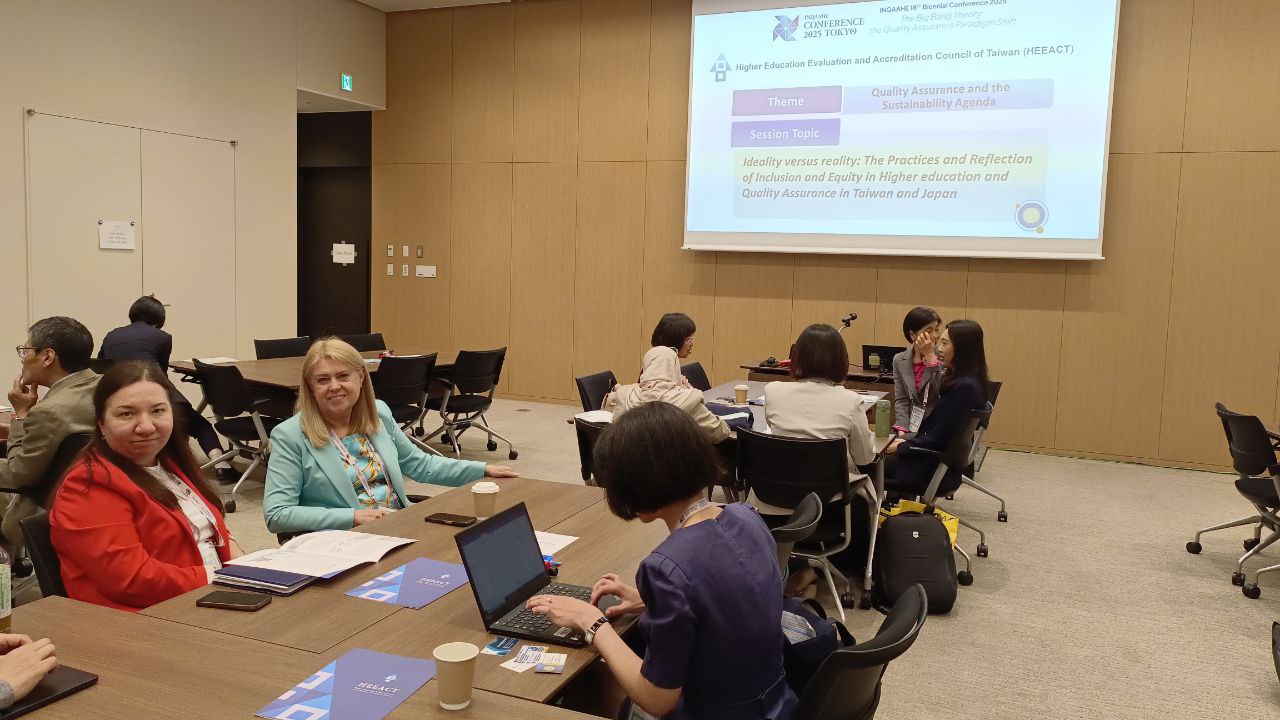
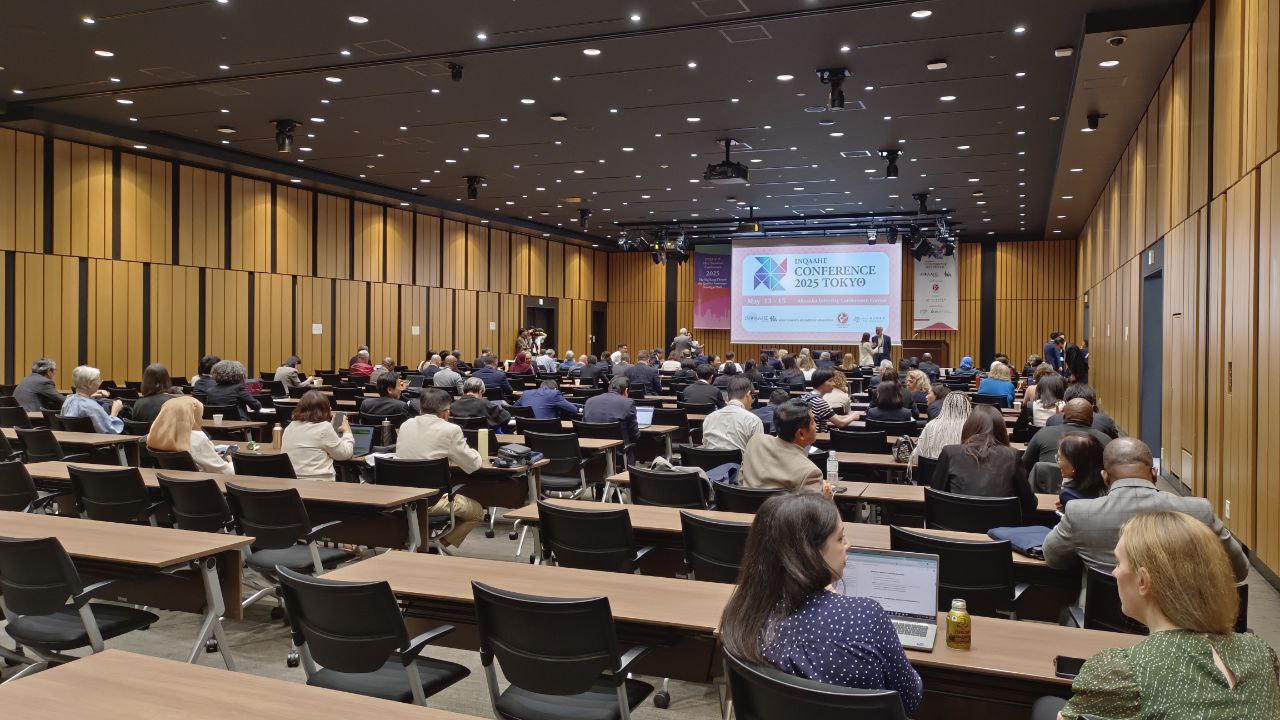
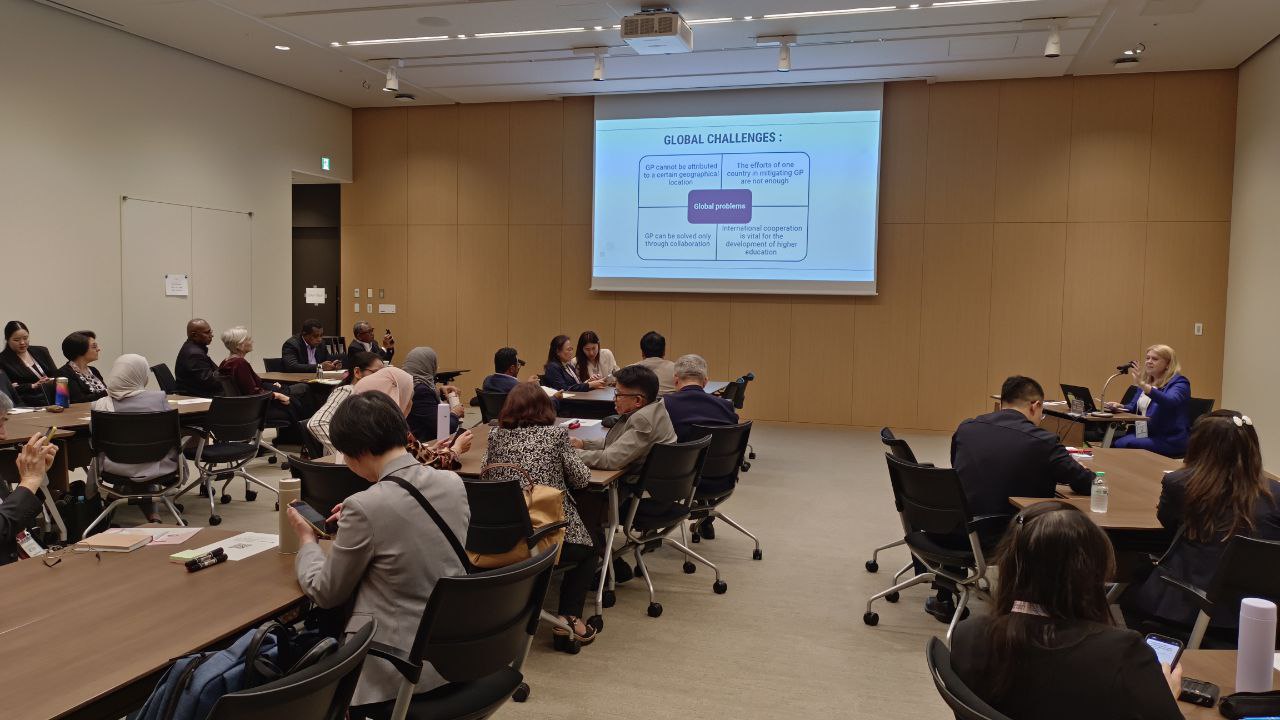
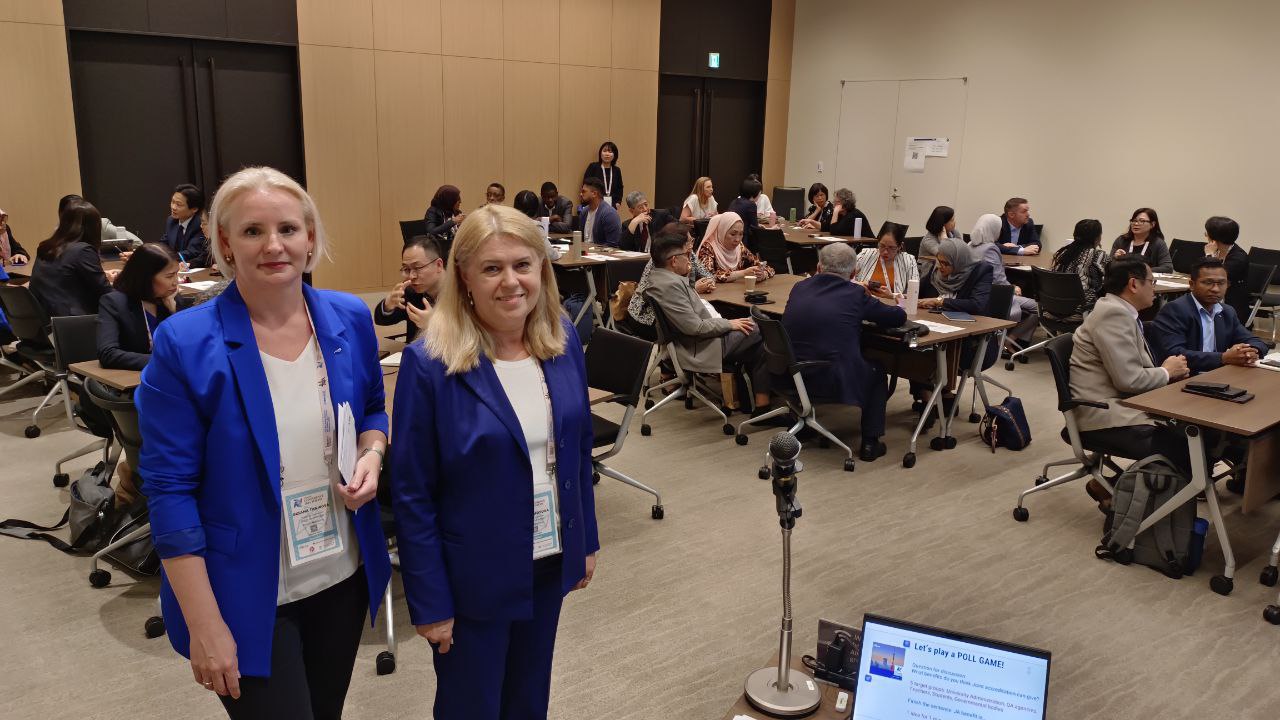
On May 15, 2025, Dr. Galina Motova, and Oksana Tanikova, presented at an interactive session of the conference.
Their presentations focused on the development, benefits, and potential of joint accreditation as a transformative approach to quality assurance in higher education. They identified key challenges that accreditation agencies and universities face during the preparation and implementation stages of joint accreditation. The speakers not only shared their own experience but also highlighted best international practices from the United States, Europe, Taiwan, Japan, Australia, and Mongolia, emphasizing the contextual factors that influence their design and implementation.
Session participants had the opportunity to exchange experience, complete an online survey and review its results, discuss key changes in their countries’ higher education systems, and examine case studies related to various aspects of preparing and organizing joint accreditation procedures.
During the interactive session, the presenters shared the results of a survey conducted by the National Centre for Public Accreditation among representatives of accreditation agencies and higher education institutions that had participated in joint accreditation. The presentation generated considerable interest among its participants and was noted as highly relevant and practically useful.

Technological advances, demographic shifts, new models of education delivery, and socio-political dynamics in various parts of the world are raising serious concerns about the effectiveness of traditional higher education models, with significant implications for sustainable development and quality assurance in higher education.
The INQAAHE 2025 Conference provided an opportunity for the international community to discuss necessary changes in perspectives, practices, and paradigms of quality assurance, enabling higher education institutions to innovate in response to an ever-evolving technological, social, demographic, economic, and international landscape.
For more information about the event, go to https://www.inqaahe.org/events/inqaahe-conference-2025-tokyo-japan/